Core Concepts of Active Learning
- Children develop great problem-solving skills when learning happens through personal curiosity.
- Modern classrooms prioritise active exploration over passive memorisation of facts.
- Teachers guide independent thinking by encouraging students to ask meaningful questions.
- Early inquiry frameworks build a strong foundation for lifelong academic success.
Nurturing Natural Curiosity in Children
Young children naturally possess an incredible level of curiosity about everything around them. Families exploring top IB curriculum schools often seek frameworks that nurture critical thinking alongside essential foundational academics. Traditional classrooms often suppress this natural drive by enforcing rigid routines focused solely on quiet listening and repetitive memorisation.
Educators in forward-thinking environments recognise that true intellectual growth happens when students actively participate in their learning journey. The Primary Years Programme, or PYP curriculum, offers a structured yet flexible pathway that honours a child’s innate desire to explore through active inquiry and creative problem-solving.
Emphasising Inquiry in Early Education
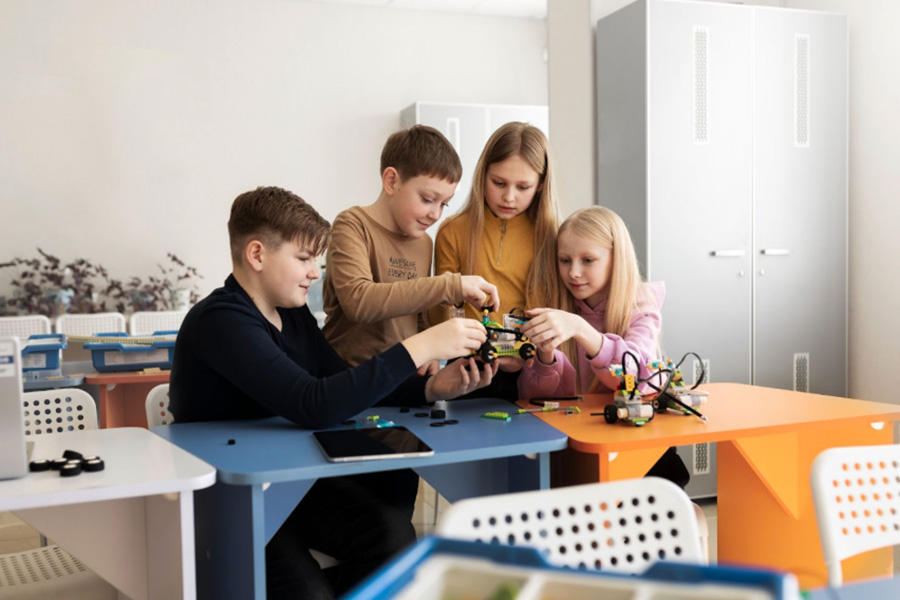
The PYP curriculum reimagines primary education by placing student questions at the centre of every single lesson. Children spend their school days exploring broad, overarching themes rather than studying isolated subjects in strict time slots. A typical morning might combine science, language arts, and social studies into one collaborative investigation about environmental sustainability.
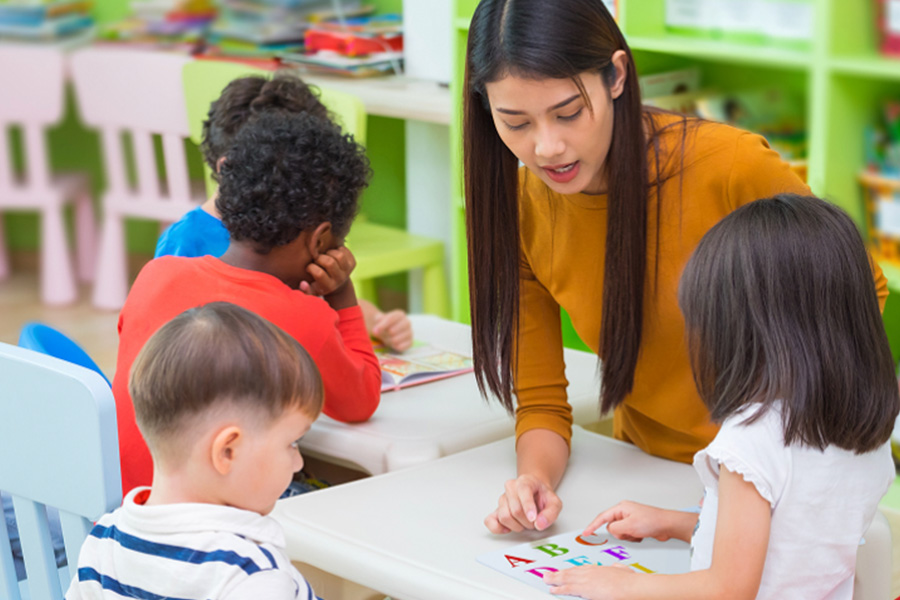
This integrated model mirrors real life, where problems rarely fit neatly into a single academic box. Students quickly realise that their ideas matter, which motivates them to dive deeper into every topic they encounter. Teachers facilitate these activities by posing open-ended questions that challenge students to analyse findings independently.
Developing Essential Life Skills Through Exploration
Education extends far beyond textbooks to include essential social, emotional, and practical skills required for long-term success. Children learn to communicate thoughts clearly, listen respectfully to opposing views, and manage time effectively.
- Collaborative Communication: Fosters active listening and respectful dialogue through daily peer-led group activities and shared assignments.
- Self-Directed Time Management: Teaches young learners how to prioritise tasks, track milestones, and balance academic workloads independently.
- Reflective Self-Evaluation: Encourages students to assess completed projects, view mistakes as learning opportunities, and build personal resilience.
Ensuring that personal development receives the same attention as academic achievement is a core reason families choose top-tier IB curriculum schools. This regular reflective practice teaches young learners that making mistakes represents a natural, valuable part of personal growth.
Fostering Independence and Student Ownership
A defining feature of the PYP curriculum is the emphasis placed on student agency, which means giving children a voice in their education. Students help shape their learning goals, choose how to present project findings, and participate in setting classroom expectations. This sense of ownership completely transforms their daily experience.
When students feel trusted to direct their work, their enthusiasm for learning increases dramatically across every academic area. Teachers support this independence by providing flexible frameworks rather than rigid, step-by-step instructions. Celebrating diverse approaches builds a supportive classroom culture where every student feels valued for their unique capabilities.
Preparing Students for a Changing World
Attending quality IB curriculum schools helps children build the adaptability needed to navigate an increasingly complex future. The world changes rapidly, making the ability to learn, unlearn, and relearn far more valuable than simply memorising temporary facts. Students develop flexible minds capable of adapting to new realities.
Future leaders need to share ideas across cultural boundaries, solve multi-layered problems, and lead teams with empathy and intelligence. Primary students practice these exact skills every day as they collaborate with classmates from diverse backgrounds. Investing in an inquiry-led primary education shapes how individuals approach challenges throughout their lives.
Building Foundations for Life Skills
Providing your child with a strong educational foundation is one of the most important decisions you will ever make as a parent. The Primary Years Programme delivers a balanced approach that combines rigorous academics with vital character development and creative problem-solving skills. By encouraging active inquiry and personal responsibility, this curriculum transforms young learners into confident thinkers who love learning.
Contact ISS International School today to learn how our dynamic international community can support your child’s educational journey.
Frequently Asked Questions
How does the PYP curriculum encourage student-led learning?
It empowers students to set goals and choose how to present their work.
What benefits does inquiry-based learning offer children?
It fosters curiosity, critical thinking, and independent problem-solving.
Why is student agency important in the primary classroom?
It boosts enthusiasm and engagement by giving students a voice in lessons.
How do IB schools prepare students for future challenges?
They teach adaptability and collaboration to navigate a changing world.
What skills are developed through the PYP reflective practice?
Students learn to evaluate projects, build resilience, and value growth.