Key Takeaways
- A ukulele class lowers the entry barrier for beginners who are unsure about committing to long-term music training.
- Faster early progress helps learners stay motivated compared to many traditional music instruments.
- Ukulele skills translate well into broader music fundamentals used in structured music classes in Singapore.
- The instrument suits both children and adults with minimal physical strain and setup complexity.
Introduction
The first instrument choice for beginners considering music classes often determines whether learning feels achievable or overwhelming. Many learners quit early not because they lack interest, but because the initial learning curve is too steep. This situation is where the ukulele stands out. A ukulele class in Singapore is frequently used as an entry point into music because it reduces technical barriers while still teaching core musical skills. Rather than positioning the ukulele as a “casual” instrument, structured programmes increasingly treat it as a foundation for broader musical development.
Reason 1: Lower Technical Barriers From Day One
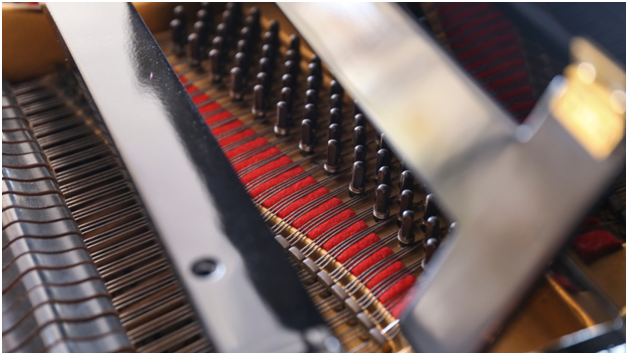
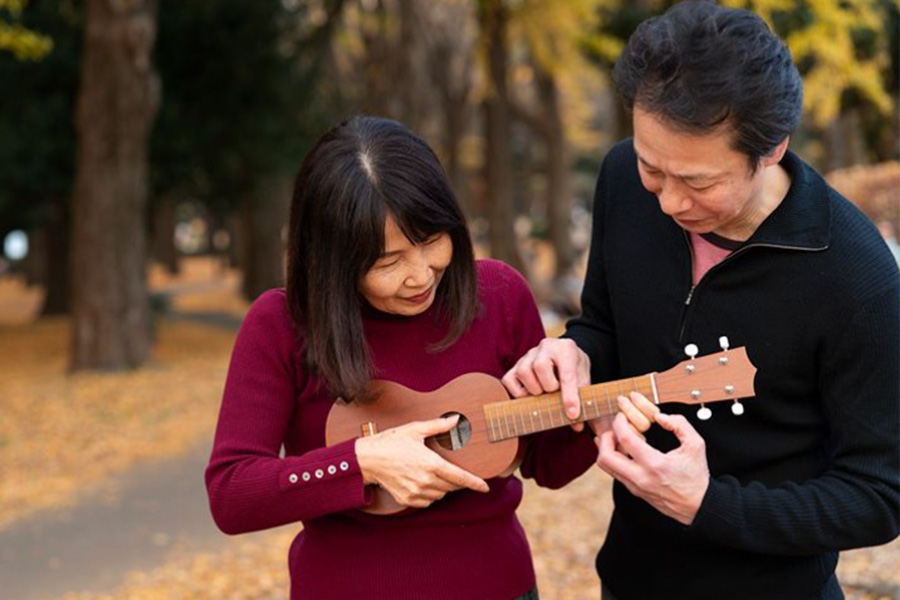
Most beginners struggle with physical coordination before they even reach musical concepts. Instruments such as the piano or guitar require significant hand independence, finger strength, or posture control early on. In contrast, the ukulele’s smaller size, lighter string tension, and simplified chord shapes allow learners to focus on rhythm, timing, and sound production almost immediately. This instance makes a ukulele class particularly suitable for young children, older beginners, and adults returning to music after a long gap. Early accessibility reduces frustration, which is a common reason learners drop out of music classes within the first few months.
Reason 2: Faster Perceived Progress Builds Consistency
Perceived progress matters more than actual technical advancement for beginners. Many learners need tangible results to stay engaged. Students in a ukulele class can typically play simple songs within a few lessons, even with minimal practice time. This sense of achievement reinforces consistent attendance and practice habits. In comparison, beginners in other music classes may spend weeks on posture, scales, or isolated drills before producing recognisable music. Faster musical output does not mean superficial learning; it creates momentum that supports longer-term commitment.
Reason 3: Strong Foundation for Musical Fundamentals
A common misconception is that ukulele learning lacks depth. In reality, a well-structured ukulele class introduces essential musical concepts such as rhythm patterns, chord progressions, strumming techniques, tempo control, and ensemble playing. These skills form the backbone of most music education frameworks. Learners who start with the ukulele often transition more smoothly into guitar, bass, or vocal training because they already understand timing, harmony, and song structure. This instance makes the ukulele a practical starting instrument within the broader ecosystem of music classes in Singapore.
Reason 4: Adaptable Across Age Groups and Learning Goals
Music programmes often struggle to cater to mixed-age learners with different objectives. The ukulele is one of the few instruments that adapts well across demographics. Children benefit from its manageable size and immediate sound production, while adults appreciate the efficiency and low intimidation factor. A ukulele class can support casual hobbyists, school-based enrichment learners, and adults seeking stress relief or creative outlets. This adaptability allows music schools to design progression-based pathways instead of one-size-fits-all instruction.
Conclusion
Choosing the right first instrument is less about prestige and more about sustainability. A ukulele class is often the best entry point into music because it aligns with how beginners actually learn: through early wins, manageable technique, and gradual skill layering. Remember, within the context of music classes in Singapore, the ukulele functions not as a shortcut, but as a strategic foundation. That said, for learners who want to build musical confidence before committing to more demanding instruments, the ukulele offers a practical, structured, and effective starting point.
Contact Sonare Music School for a structured ukulele class that gives you real musical output early.