Key Takeaways
- Clothing for belly dance fitness should prioritise comfort, flexibility, and ease of movement.
- Breathable fabrics and fitted tops help instructors observe posture and technique.
- Hip scarves or coin belts help beginners understand hip movement during belly dance classes.
- Proper footwear, usually bare feet or dance shoes, improves balance and floor grip.
- Comfortable practice attire is different from performance costumes worn by belly dancers for hire.
Introduction
Your first belly dance fitness class does not require elaborate costumes or performance outfits. What matters most is wearing clothing that allows full body movement while helping instructors observe posture, hip alignment, and technique. Beginners often assume they need the same outfits worn by professional performers, but studio practice attire is far simpler and more practical.
Whether you are joining a studio offering belly dance in Singapore or exploring dance as a fitness routine, choosing the right clothing makes the class more comfortable and productive. The goal is mobility, breathability, and visibility of movement so instructors can guide you properly.
Comfortable Tops That Allow Clear Body Movement
A fitted but comfortable top works best for belly dance fitness classes. Instructors often need to observe torso movements, rib cage isolations, and posture adjustments. Loose or oversized shirts can hide these movements and make it harder to correct technique.
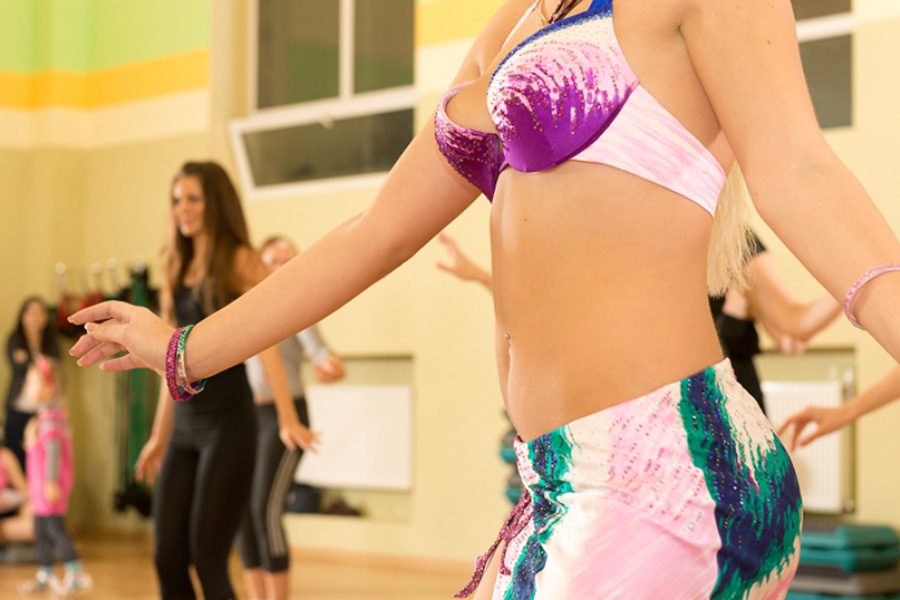
Many beginners wear tank tops, fitted T-shirts, or crop-length sports tops. The key requirement is a stretchable fabric that allows unrestricted shoulder and torso movement. Breathable athletic materials are particularly useful because belly dance sessions involve continuous hip and core work that can raise body temperature quickly.
Instructors in structured belly dance classes typically recommend clothing similar to yoga or dance training attire. This clothing allows students to move freely while maintaining proper body alignment during drills and choreography practice.
Flexible Bottoms That Support Hip Movement
Lower-body clothing plays a major role in belly dance practice. Since the dance emphasises hip isolations, shimmies, and controlled steps, beginners should choose bottoms that allow flexibility without restricting movement.
Leggings, yoga pants, or dance trousers are common choices for belly dance fitness sessions. These garments stretch easily and allow instructors to observe hip positioning and weight distribution. Avoid stiff materials such as denim or tight skirts that restrict hip mobility.
Some dancers prefer slightly looser harem-style dance pants, which are also commonly used in belly dance studios. These provide comfort while maintaining enough movement visibility for instructors to monitor technique.
Hip Scarves Help You Understand Movement
Although not mandatory, hip scarves are commonly recommended for beginners. These scarves wrap around the hips and often include small coins or beads that produce sound when the hips move.
This audio feedback helps beginners recognise whether they are isolating the hips correctly. When practising shimmies or hip drops, the sound from the scarf indicates how controlled the movement is.
Hip scarves are very different from professional performance belts used by belly dancers for hire. Performance accessories are heavier and decorative, while beginner scarves are lightweight and used mainly for training and movement awareness.
Barefoot or Dance Shoes
Most belly dance fitness classes are performed barefoot. Dancing without shoes improves floor grip and helps dancers feel weight shifts through the feet. This approach improves balance and control during spins, steps, and hip movements.
Some dancers prefer soft dance slippers or specialised belly dance shoes, especially if the studio floor is rough or if additional foot protection is needed. However, heavy sports shoes are generally avoided because they restrict ankle mobility and make precise footwork more difficult.
Studios teaching belly dance often specify their footwear requirements beforehand, so beginners should confirm the studio guidelines before attending their first class.
Practice Attire vs Performance Costumes
A common misconception among beginners is that belly dance classes require elaborate costumes. In reality, performance outfits are reserved for stage shows and events.
Professional belly dancers for hire wear ornate costumes with structured bras, decorated belts, layered skirts, and jewellery. These outfits are designed for stage visibility rather than comfort during training.
In contrast, belly dance fitness practice attire focuses entirely on movement, comfort, and technique development. Simple training clothes are not only acceptable but preferred during learning stages.
Conclusion
Preparing for your first belly dance fitness class is straightforward when you focus on function rather than appearance. Comfortable tops, flexible bottoms, optional hip scarves, and appropriate footwear provide everything you need to participate effectively. These clothing choices allow instructors to observe technique while helping beginners move freely during practice.
While belly dance continues to attract individuals seeking both fitness and cultural dance experiences, understanding proper training attire helps beginners enter their first class with confidence. Unlike the elaborate costumes worn by belly dancers for hire, class attire remains simple, practical, and designed to support learning and movement development.
Thinking about trying belly dance fitness for yourself or planning an event that needs something more lively than the usual entertainment? Contact Bellydance Haven to discover a professional studio that offers both beginner-friendly classes and experienced belly dancers for hire.