Technology shapes how today’s young learners explore, question, and understand the world. For families exploring an international primary school or comparing options across the landscape of international school institutions in Singapore, the conversation increasingly revolves around how schools integrate meaningful technology into everyday learning. As classrooms evolve, the focus is shifting away from impressive gadgets and towards purposeful tools that empower children to think, connect, and create.
Technology as a Companion, Not a Replacement
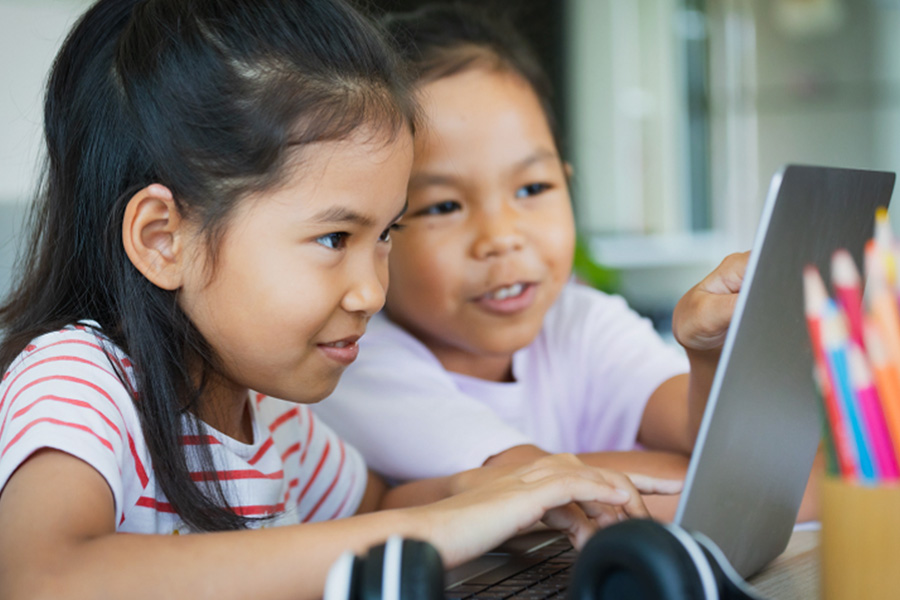
In an international primary school, technology functions best when it supports human interaction rather than replacing it. A balance between digital exploration and hands-on learning ensures students develop foundational academic skills while building technological confidence. This indicates that technology enhances learning most effectively when used to extend creativity, problem-solving, and self-expression.
Parents searching for international schools in Singapore often worry that too much technology may overwhelm young learners. However, the real innovation lies in schools using digital tools sparingly and intentionally. When used this way, digital resources become a companion to exploration instead of taking centre stage.
Classroom Spaces Designed for Digital Inquiry
Modern classrooms in international environments increasingly integrate technology into the physical design of learning spaces. In many primary programmes, learning corners, flexible tables, and open workstations encourage collaboration and support digital activities when needed. This design complements inquiry-based approaches used in the international primary school context, where students explore ideas through experimentation rather than memorisation.
Schools categorised as international schools in Singapore often establish digital literacy expectations progressively, ensuring technology use aligns with developmental needs. Educators focus on helping children form healthy relationships with digital tools.
The Role of Digital Portfolios and Learning Documentation
One of the most impactful shifts in primary education is the rise of digital portfolios. These collections document children’s work, thinking processes, and progress over time. Reflective documentation plays an important role in shaping learning experiences and strengthening communication between educators and families.
In an international primary school setting, digital portfolios allow students to revisit earlier work, refine their ideas, and celebrate growth. They serve as bridges between home and school, helping families understand the reasoning behind classroom activities. For international school educators, digital documentation tools make it easier to track learning patterns and design instruction that supports each student’s evolving strengths.
Technology Encouraging Personalised Exploration
A significant benefit of integrating technology into primary education is the opportunity for personalised learning. When students access digital books, language-building applications, or research tools, they follow pathways that reflect their interests and readiness levels.
In an international primary school, personalised exploration supports students who develop at different paces or who show early interest in specific subjects. Meanwhile, international school programmes in Singapore often incorporate digital tools that adapt to a child’s learning responses, offering appropriate challenges without creating frustration.
Interdisciplinary Learning Supported by Technology
Technology often serves as a bridge between subject areas. When students produce multimedia presentations, interactive stories, or digital art, they integrate literacy, creativity, and problem-solving. Interdisciplinary learning helps children make stronger conceptual connections, and technology enhances this process by allowing students to express ideas in multiple formats.
International primary school teachers use technology to strengthen thematic units. Across international school environments in Singapore, this practice nurtures curiosity while building skills relevant to future learning.
Supporting Collaboration Through Digital Tools
Collaboration sits at the heart of international education. With digital tools, students share resources, build group projects, and discuss ideas in ways that encourage cooperation. Technology allows children to communicate their thoughts visually, verbally, and creatively, ensuring diverse learners find entry points into group work.
In an international primary school, educators guide students in using collaboration tools responsibly and respectfully. International schools in Singapore emphasise digital citizenship by teaching children how to communicate online, credit sources, and share work thoughtfully.
A Redefining Perspective with Mindful Technology Use
The conversation around technology often centres on speed and convenience, but the most meaningful innovations are rooted in reflection. Technology should allow students to slow down, observe, and enquire. Mindful integration helps reduce overstimulation and supports developmental well-being, especially in younger children.
An international primary school will often introduce digital tools gradually, ensuring students understand why they are using them. Meanwhile, families exploring international schools in Singapore can observe how schools balance screen time with outdoor play, creative arts, and social activities.
Conclusion
Technology is reshaping how children learn, but its power lies in thoughtful application rather than constant presence. As families plan the next step in their child’s education, consider how technology supports growth, curiosity, and balance. Whether you are exploring an international primary school or navigating options within the international school landscape, the next wave of innovation aims to create environments where students think independently, collaborate meaningfully, and express ideas confidently.
Curious about how schools balance digital and hands-on experiences? Get in touch with Middleton International School today.