Key Highlights
- Understand how programme structure shapes early physical development
- Assess coach quality and child-centred teaching approaches
- Evaluate safety standards and learning environments
- Match class formats with family schedules and learning goals
Parents in Singapore face no shortage of options when exploring a preschool gym. Choices look impressive on the surface, schedules seem flexible, and class descriptions promise confidence, coordination, and fun. Yet selecting the right environment for young children requires more than scanning timetables or price lists. Early movement experiences shape how children perceive physical activity long after preschool years. Making the right choice means focusing on fundamentals that genuinely support growth, enjoyment, and long-term engagement with movement.
Below are four considerations that help parents make informed decisions when evaluating gymnastics for kids in Singapore, without overcomplicating the process or relying on marketing language.
1. Programme Design That Matches Developmental Stages
Preschool-age children do not benefit from scaled-down versions of older children’s training. They learn through exploration, repetition, and guided play. A strong preschool gym programme recognises this by structuring sessions around age-appropriate milestones rather than performance outcomes.
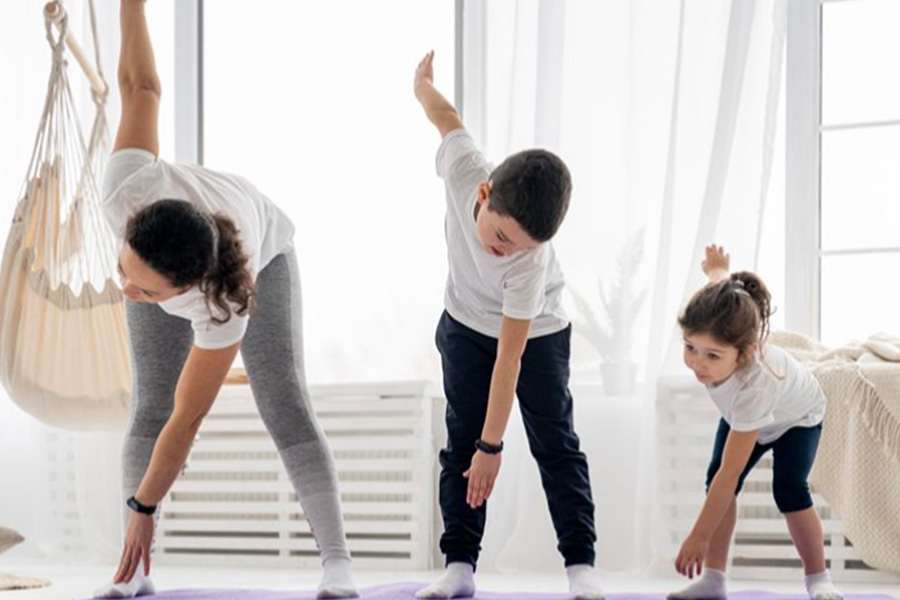
Look closely at how classes progress. Effective programmes focus on balance, coordination, spatial awareness, and basic strength using imaginative setups. Movement circuits, soft obstacles, and simple routines keep children engaged while quietly building physical literacy. When lessons feel dynamic and varied, children remain curious instead of overwhelmed.
Ask how activities adapt for different age groups. A well-designed curriculum avoids rigid routines and allows instructors to adjust pacing based on group energy and attention spans. That flexibility matters more than the number of skills listed in a programme outline.
2. Coaches Who Understand Early Childhood Behaviour
Facilities matter, but people matter more. Coaches working with preschoolers must understand child behaviour as much as physical movement. Clear communication, patience, and encouragement define effective instruction at this stage.
Observe how coaches interact with children. Do they explain movements simply? Do they model actions rather than rely on verbal instruction alone? Preschoolers respond best to demonstrations, positive reinforcement, and calm redirection when focus drifts.
High-quality gymnastics for kids in Singapore often stands out because coaches manage group dynamics smoothly. They keep sessions flowing without rushing children through tasks. They also know when to slow down, repeat an activity, or switch gears entirely. This awareness builds trust, which allows children to try unfamiliar movements without fear.
3. Safety Standards Beyond Basic Equipment
Most parents check mats and padding. Fewer assess how safety operates during the class itself. True safety extends beyond equipment into class size, supervision, and layout.
Start by looking at student-to-coach ratios. Smaller groups allow closer monitoring and quicker response if a child struggles. Space design matters too. Clear movement zones reduce collisions and distractions, especially when multiple activities run at once.
Ask about class flow. Well-managed preschool gym sessions minimise waiting time. Children remain active, reducing restlessness that often leads to accidents. Safety thrives in environments where movement feels organised but never restrictive.
4. Practical Fit With Family Routines and Child Personality
Even the strongest programme loses value if attendance becomes inconsistent. Scheduling flexibility plays a role, but alignment with a child’s personality matters just as much.
Some children thrive in lively group settings. Others need quieter environments to build confidence. Observe trial sessions carefully. Does the structure energise or overwhelm your child? Do they leave eager to return or visibly exhausted?
Parents often overlook transition support. Good preschool gym programmes help children settle at the start and wind down at the end. These moments influence how children associate physical activity with comfort rather than pressure. Long-term consistency begins with positive emotional experiences, not perfect attendance records.
Making a Confident Choice Without Overthinking
Choosing a preschool gym does not require technical gymnastics knowledge. It requires attention to how children move, respond, and enjoy the environment. Strong programmes prioritise development over display, engagement over intensity, and consistency over complexity.
When evaluating gymnastics for kids in Singapore, focus on how each element works together. Programme design, coaching style, safety culture, and practical fit shape daily experiences more than promotional claims ever will. Parents who observe closely often notice which spaces feel supportive within minutes.
If you are exploring engaging, well-structured gym classes in Singapore for kids, contact BearyFun Gym to learn how their programmes support confident movement, early development, and positive first experiences in a preschool gym setting.