Key Takeaways
- Repetition builds confidence as children recognise familiar actions and join activities with ease.
- Familiar routines help memory grow by reinforcing ideas through repeated exposure daily.
- Group repetition encourages interaction, helping children learn turn-taking and cooperation.
- Daily repeated tasks strengthen independence as children practise and take ownership of actions.
Introduction
Early childhood unfolds through familiar moments, from stacking blocks to repeating songs that echo through the day. Recognition begins to take shape as children encounter the same actions again, and that sense of familiarity builds comfort in a natural way. Parents exploring a preschool in Redhill, Singapore may notice how activities return in similar forms, with each repeat giving children space to take part with ease.
Building Confidence Through Familiar Patterns
Repetition Creates a Sense of Security
Familiar actions give children something they can recognise straight away, which reduces hesitation and helps them join in without overthinking each step. A repeated activity feels manageable, and that sense of ease encourages participation, while routines such as greeting time or group play in a preschool in Redhill, Singapore shape a day that feels steady and easy to follow.
Small Wins Add Up Over Time
Progress builds through repeated attempts, where each try gives children a chance to adjust and refine what they are doing. A puzzle that once caused pause becomes something they can handle with more control, and that shift builds quiet confidence, as familiar tasks remove pressure and keep children engaged without forcing quick results.
Strengthening Memory and Understanding
Repetition Helps Ideas Stay Clear
Repeated exposure helps ideas settle, as hearing the same words, songs, or instructions creates stronger connections over time. Patterns within activities give children cues they can follow, and that predictability helps them remember what comes next without feeling lost or unsure.
Practice Encourages Clearer Thinking
Each repeated activity offers a fresh look at something familiar, where children begin to notice small details they may have missed before. Drawing becomes more controlled, sorting becomes more precise, and building becomes more intentional, while guidance in a preschool in Redhill, Singapore keeps the pace comfortable so children can explore without feeling rushed.
Supporting Social and Emotional Growth
Shared Activities Build Interaction
Group activities that repeat give children a common starting point, which makes joining in feel less daunting. Familiar games invite participation, and children begin to understand turn-taking and cooperation through repeated interaction that feels natural and easy to follow.
Emotional Responses Become Easier to Manage
A day with predictable moments helps children handle changes without feeling overwhelmed, as knowing what comes next brings a sense of calm. Repeated quiet activities, such as storytelling or gentle play, create pauses where children can reset and return to the day with a clearer focus.
ALSO READ: Preparing Your Child for Their First Day at Preschool
Turning Everyday Moments Into Learning Opportunities
Daily Routines Carry Practical Lessons
Simple routines gain meaning when repeated, as children begin to connect actions with outcomes through daily practice. Tidying up, preparing for activities, and following small steps help build a sense of responsibility, and repeating these actions encourages independence in a way that feels natural.
Play Encourages Exploration Through Repetition
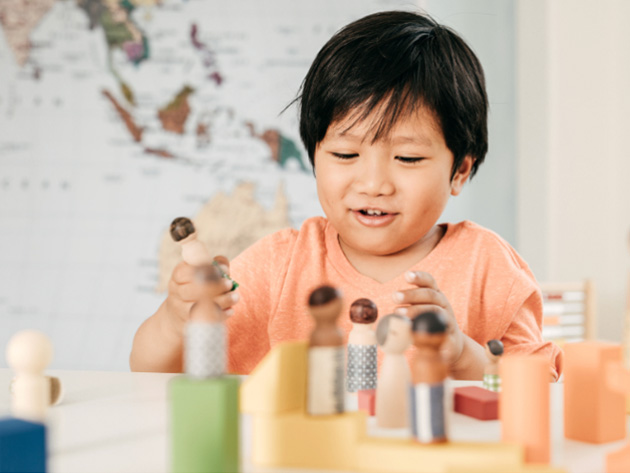
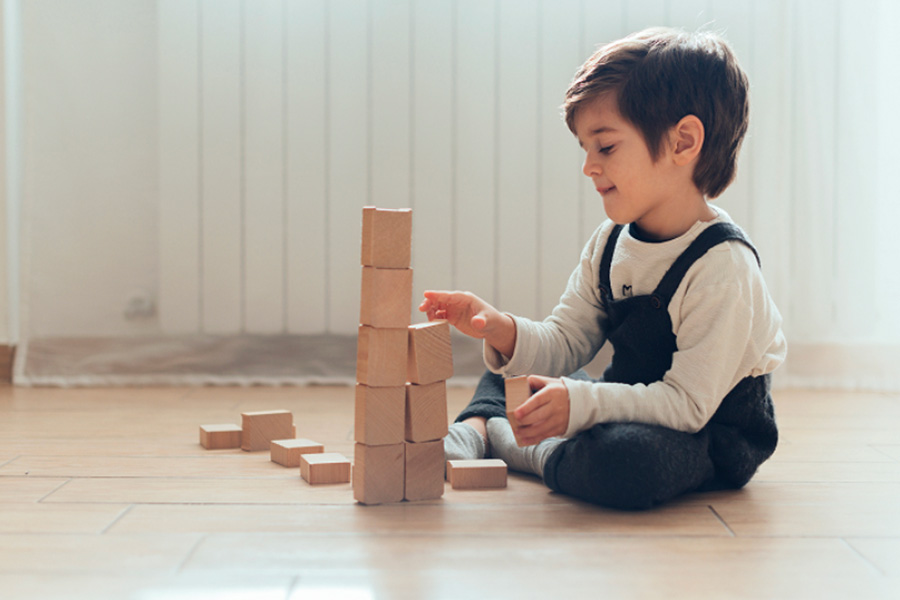
Play invites children to return to familiar ideas while adding small changes each time, whether through building, sorting, or role-play. Each round brings a slightly different outcome, and that variation keeps curiosity alive, while activities planned in a preschool in Redhill, Singapore create a balance between familiarity and exploration.
Conclusion
Repetition creates a steady rhythm that children can rely on as they grow. Familiar patterns help build confidence, strengthen memory, and guide social interaction in a natural way. Small, repeated actions shape learning over time, giving children the space to improve without pressure.
Contact KidsCampus today to learn how structured routines and thoughtful activity planning can shape your child’s early learning journey.